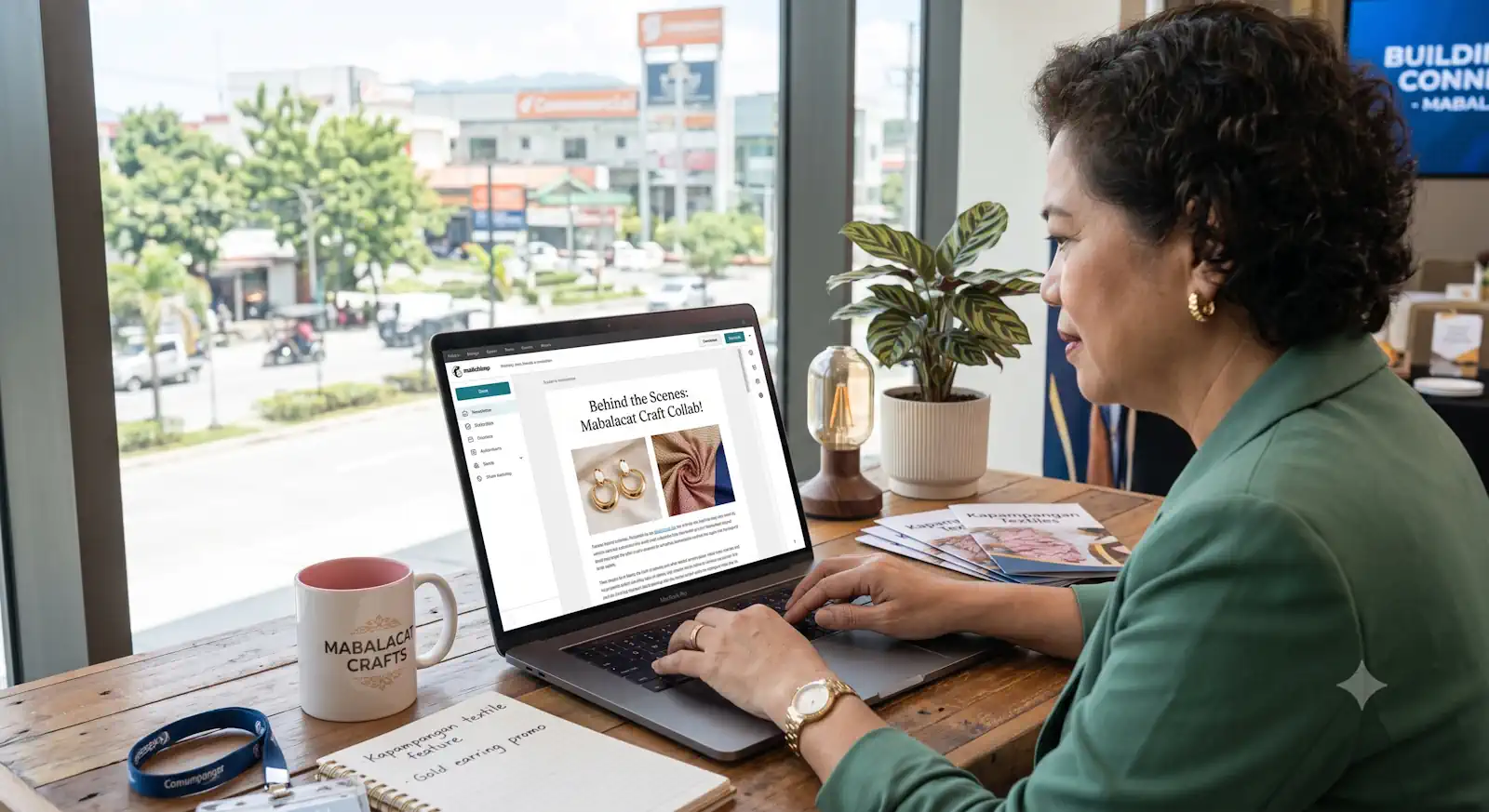
Email Marketing Made Simple for Small Businesses
Email marketing remains one of the most effective ways for small businesses to stay connected with customers. While social media algorithms constantly change and online advertising can become expensive, your email list gives you a direct way to communicate with people who have already shown an interest in your business.
You don't need thousands of subscribers to see results. A smaller list of engaged readers is often far more valuable than a large audience that rarely opens your emails. The key is to provide useful information that people genuinely want to receive.
Why Email Marketing Still Works
Unlike social media, where your posts may only reach a small percentage of your followers, emails are delivered directly to your subscribers.
This gives you the opportunity to share news, helpful advice, special offers and business updates with people who have chosen to hear from you.
Because subscribers have already expressed an interest in your business, they're often more likely to become customers.
Build Your List Naturally
A quality email list should grow through genuine interest rather than shortcuts.
Encourage visitors to subscribe by offering something valuable, such as:
- Helpful business tips.
- A free guide or checklist.
- Exclusive updates.
- Special offers.
- Useful resources.
Always ask for permission before adding someone to your mailing list and make it easy for subscribers to leave if they choose.
Write Emails People Want To Read
Successful email marketing isn't about constantly selling.
Most of your emails should provide useful information that helps your audience solve problems or learn something new.
When people regularly receive valuable content, they're much more likely to open future emails and trust your recommendations.
Keep Your Subject Lines Clear
Your subject line is the first thing people see.
Keep it short, honest and relevant to the content inside the email. Avoid exaggerated claims or misleading headlines that may disappoint readers once they open the message.
A clear subject line builds trust and improves the likelihood that your email will be opened.
Make Your Emails Easy To Read
Most people quickly scan emails before deciding whether to continue reading.
Use short paragraphs, clear headings and simple language. Avoid large blocks of text and focus on one main topic per email.
Well-structured emails are easier to read on both desktop computers and mobile devices.
Stay Consistent
You don't need to send emails every day.
Many small businesses achieve excellent results by sending a newsletter once or twice each month. The important thing is to remain consistent so your audience knows what to expect.
Regular communication helps keep your business in people's minds without overwhelming their inbox.
Encourage Action
Every email should have a purpose.
That purpose might be encouraging readers to:
- Visit your website.
- Read a new blog article.
- Download a free guide.
- Learn about a service.
- Contact your business.
Keep your call to action clear and avoid giving readers too many choices.
Measure Your Results
Most email marketing platforms provide useful statistics.
Review information such as:
- Open rates.
- Click-through rates.
- Unsubscribe rates.
- Website visits generated by your emails.
These figures help you understand which topics interest your audience and how you can improve future campaigns.
Respect Your Subscribers
Your email list is built on trust.
Only send relevant information and avoid filling people's inboxes with constant promotions. Always protect subscriber information and comply with relevant privacy regulations.
Respecting your audience helps build stronger long-term relationships.
Build Relationships One Email At A Time
Email marketing isn't simply another advertising channel. It's an opportunity to build lasting relationships with people who are interested in your business.
By providing useful information, communicating consistently and respecting your subscribers, you create an audience that looks forward to hearing from you.
Over time, your email list becomes one of the most valuable marketing assets your business can own. It allows you to stay connected with your audience, strengthen trust and generate opportunities that support the long-term growth of your business.