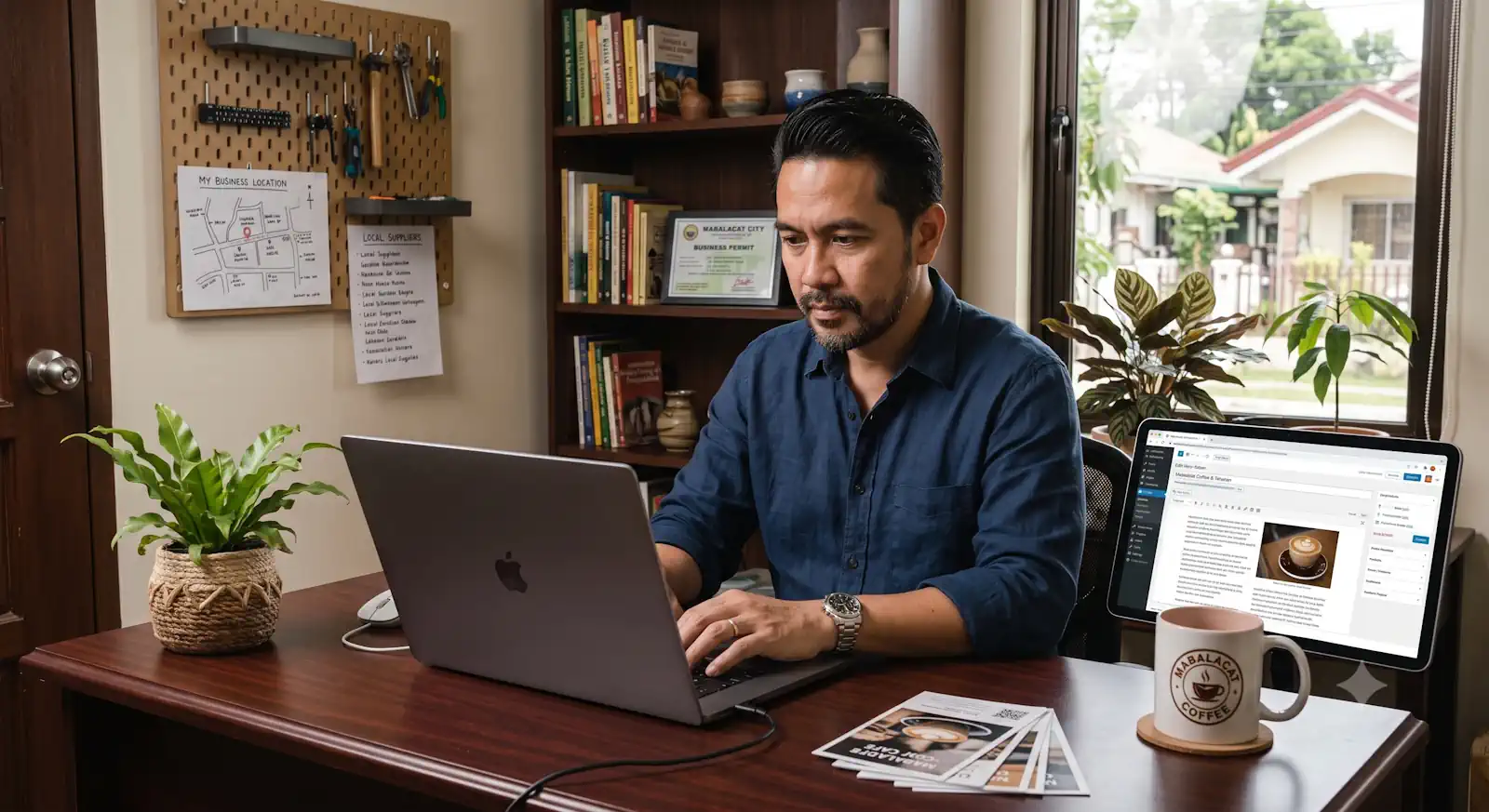
The Hardest Job in Sales: Outbound Prospecting
For many business owners, the hardest part of growing a business isn't delivering the product or providing the service. It's finding new customers. Outbound prospecting is the process of actively reaching out to people who may benefit from what you offer, rather than waiting for enquiries to arrive.
While it can feel uncomfortable at first, outbound prospecting remains one of the most effective ways to build a customer base, particularly when you're starting a new business. Like any skill, it becomes easier with practice and a structured approach.
What Is Outbound Prospecting?
Outbound prospecting simply means taking the initiative to introduce your business to potential customers.
This could involve:
- Making telephone calls.
- Sending personalised emails.
- Connecting with businesses on LinkedIn.
- Attending networking events.
- Introducing yourself to local businesses.
- Following up previous enquiries.
The aim isn't to pressure people into buying. It's to start conversations, understand their needs and determine whether your business can genuinely help them.
Why Many Business Owners Avoid It
Prospecting pushes many people outside their comfort zone.
Fear of rejection, worrying about saying the wrong thing or believing you're interrupting someone can prevent business owners from reaching out altogether. Unfortunately, avoiding prospecting often means waiting for customers who may never discover your business.
Every successful business owner has experienced rejection. The difference is that they don't allow it to stop them from continuing.
Focus On Helping Rather Than Selling
One of the biggest mistakes people make is approaching prospecting with the sole aim of making a sale.
A much better approach is to focus on solving problems.
Instead of thinking, "How can I sell my service?" ask yourself, "How can I help this person?"
When your conversation is centred around providing value rather than making a quick sale, people are usually far more willing to engage with you.
Know Who You're Looking For
Not everyone is your ideal customer.
Before beginning any prospecting activity, think carefully about the type of customer you want to attract.
Consider factors such as:
- The industries you enjoy working with.
- The size of the business.
- The problems you solve.
- Your geographical area.
- Your ideal decision-maker.
Having a clear picture of your ideal customer allows you to focus your efforts where they are most likely to produce results.
Preparation Builds Confidence
Good preparation makes prospecting much less intimidating.
Before contacting someone, spend a few minutes learning about their business. Visit their website, understand what they do and look for areas where you may be able to add value.
Personalised conversations almost always produce better results than generic sales pitches.
Expect More No's Than Yes's
One of the realities of outbound prospecting is that not everyone will be interested.
Some people may already have a supplier. Others may not need your service at the moment. Some simply won't respond.
This is perfectly normal.
Successful prospecting is often a numbers game. Every conversation provides experience, improves your confidence and increases the likelihood of finding someone who genuinely needs your help.
Follow Up Professionally
Many opportunities are lost because people give up after a single conversation.
Following up politely can make a significant difference. A prospect who isn't ready today may become a customer in a few weeks or months.
Keep follow-up messages friendly, helpful and relevant. Avoid becoming pushy or contacting people excessively.
Build Relationships Over Time
The best business relationships rarely begin with an immediate sale.
By keeping in touch, sharing useful information and demonstrating your expertise, you gradually build trust. When the time comes for someone to buy, your business is far more likely to be remembered.
Consistency often delivers better long-term results than expecting instant success.
Track Your Progress
Keeping simple records helps you understand what's working.
You might record:
- Who you've contacted.
- When you last spoke.
- Their level of interest.
- When to follow up.
- The outcome of each conversation.
Over time, these records help you refine your approach and avoid missing valuable opportunities.
Confidence Comes Through Action
Nobody starts as an expert at outbound prospecting. Confidence grows through experience, preparation and persistence.
The more conversations you have, the more comfortable you become. You'll refine your message, learn how to handle objections and gain a better understanding of the people you want to serve.
Outbound prospecting isn't about convincing everyone to become a customer. It's about finding the people who genuinely need your help and giving them the opportunity to discover what your business can offer.