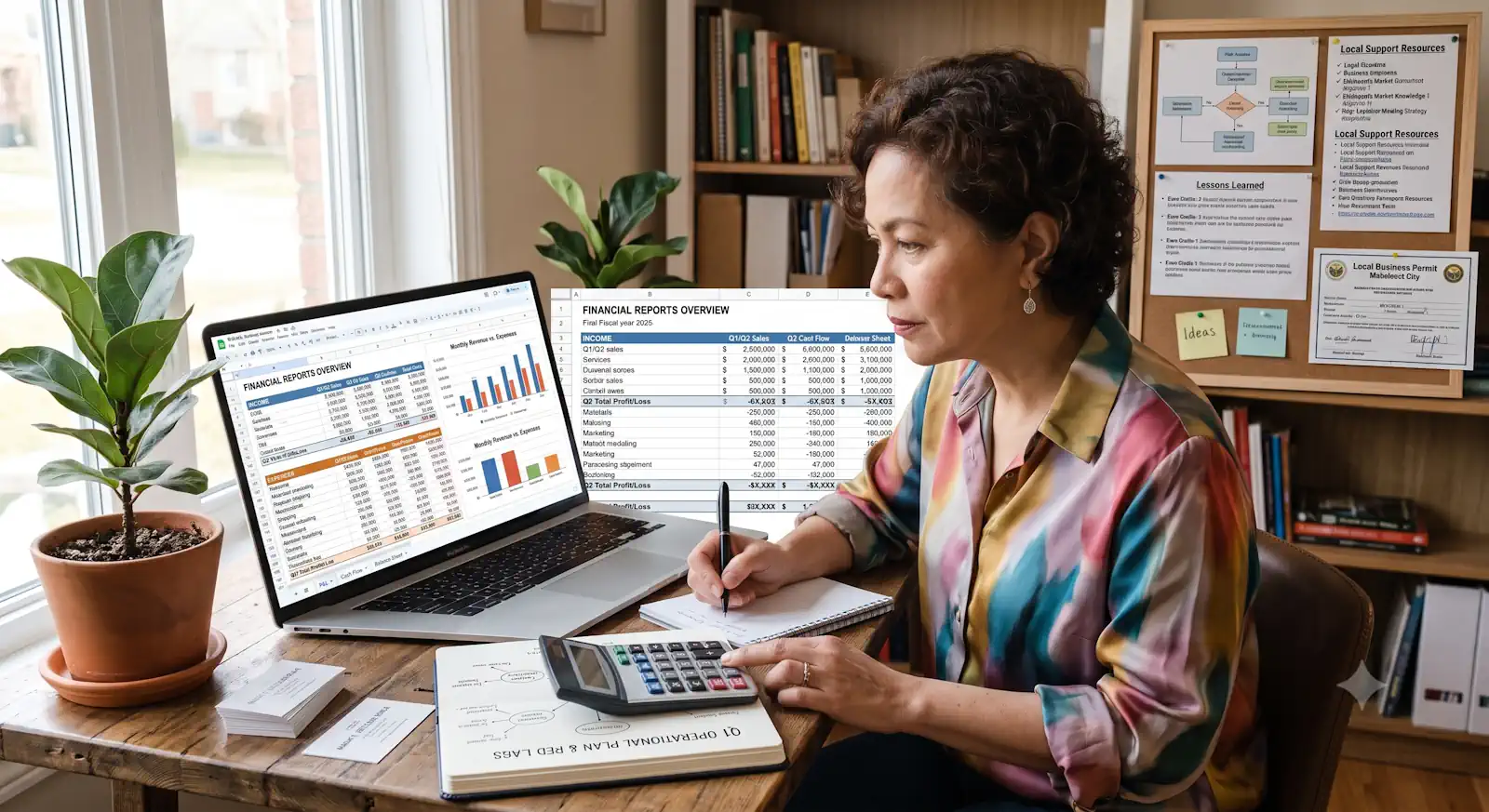
Managing Your Business Finances
Good financial management is one of the foundations of every successful business. While many people start a business because they enjoy providing a product or service, understanding your finances is equally important. Knowing where your money comes from, where it goes and how your business is performing allows you to make informed decisions and plan confidently for the future.
You don't need to be an accountant to manage your business finances effectively. With good organisation and regular reviews, you can stay in control and avoid many of the financial problems that affect new businesses.
Separate Business And Personal Finances
One of the first steps every business owner should take is separating business and personal money.
Using a dedicated business bank account makes it much easier to track income and expenses while providing a clearer picture of how your business is performing.
Keeping your finances separate also saves time when preparing accounts and completing tax returns.
Understand Your Income And Expenses
Every business should regularly monitor the money coming in and the money going out.
Your income may come from product sales, services or recurring customers, while your expenses could include:
- Website hosting.
- Software subscriptions.
- Marketing costs.
- Office equipment.
- Insurance.
- Professional services.
Recording these figures consistently helps you understand whether your business is growing and where improvements can be made.
Create A Simple Budget
A budget gives your business direction.
Estimate your expected income and planned expenses for the coming months. While your figures won't always be perfect, having a budget helps you avoid unnecessary spending and prepare for future investments.
Review your budget regularly and update it as your business develops.
Keep Accurate Records
Good record keeping makes running a business much less stressful.
Keep copies of invoices, receipts, bank statements and important financial documents. Using accounting software or organised digital folders can make this process much easier.
Accurate records save time, improve decision-making and help ensure your financial information is always available when you need it.
Plan For Tax
Taxes should never come as a surprise.
Set aside money regularly so you're prepared when tax payments become due. Waiting until the last minute can create unnecessary financial pressure.
If you're unsure about your tax responsibilities, seek advice from a qualified accountant or financial adviser who understands the regulations that apply to your business.
Monitor Your Cash Flow
A profitable business can still experience financial difficulties if cash flow isn't managed properly.
Cash flow simply refers to the movement of money into and out of your business. Ensure you have enough available funds to cover your regular expenses, even during quieter periods.
Encouraging prompt payment from customers and monitoring outstanding invoices can help maintain healthy cash flow.
Invest Wisely
As your business grows, there will be opportunities to invest in new equipment, software, training and marketing.
Before making any significant purchase, ask yourself:
- Will this improve my business?
- Will it save time?
- Will it increase revenue?
- Can I comfortably afford it?
Careful investment helps your business grow without creating unnecessary financial pressure.
Build A Financial Safety Net
Every business experiences quieter periods or unexpected expenses.
Building a financial reserve provides valuable peace of mind and allows you to deal with challenges without making rushed decisions.
Even setting aside a small amount each month gradually creates greater financial stability.
Review Your Numbers Regularly
Don't wait until the end of the year to understand how your business is performing.
Review your finances every month and look for trends. Are your sales increasing? Which services are most profitable? Are your expenses rising unnecessarily?
Regular reviews help you identify opportunities and address problems before they become serious.
Strong Finances Support Long-Term Growth
Managing your business finances isn't simply about keeping records. It's about understanding how your business works and making confident decisions based on accurate information.
By staying organised, planning ahead and regularly reviewing your financial performance, you'll build a stronger, more resilient business that's better prepared for future growth.
Financial success rarely happens by accident. It comes from making sensible decisions, monitoring your progress and treating your business finances with the same care and attention that you give to your customers.